

So, uh, how’d we get here from my other posts on privacy/security/surveillance?
Well, I finished out my spring semester and the writing course which I started this blog for… but realized I still have lots I want to share! Some topics I love to explore are psychology, sociology, philosophy, history, geopolitcs, etc. I’m gonna try and post at least once a week this summer and it’s gonna be more a more relaxed, informal shift from my previous posts.
So how’d we get here *specifically* on the topic of multitasking?
Let me talk you through the process:
1) I was watching a video about Bill Gates from one of my favorite YouTube Channels, Charisma on Command, which then referred me to 2) an interview from Quartz about how Bill Gates remembers what he reads. So then I decided to 3) subscribe to Quartz and check out some of their other videos, including 4) “exceptional multitaskers are a scientific anomaly,” their most recent video from two days ago. I found the video so interesting that I paused mid-way through to 5) take the screening test at supertaskers.org and then thought 6) this would make for an interesting blog post sharing my own results and what I learned!
Feel free to watch the video if you would like but I’ll also provide a quick summary.
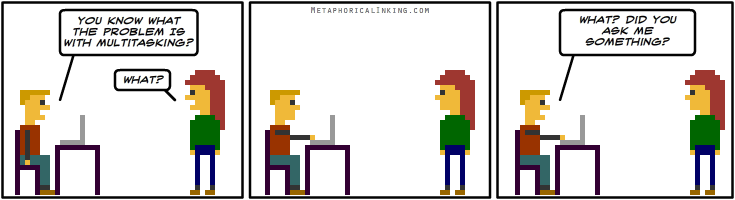
Basically, we all tend to overestimate our ability to multitask and because our attention is divided, it hinders things like our memory, productivity, and reaction time. Studies show that multitasking while driving results in similar reaction times to that of drunk driving. Multitasking comes in many different forms but the supertasker test specifically highlights the difficulty with multitasking both visual and auditory information.
The test is set up in a way that there are three doors and it’s your job to let people in or out. There are certain rules that change throughout the game testing your visual memory, your auditory memory, and then both together. It is actually much harder than it sounds. You can try it out yourself at supertaskers.org.
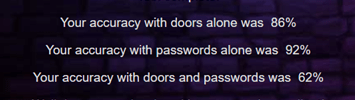
As of summer 2019, only 150 of the 6,000 people tested were identified as supertaskers. Supertaskers are able to split their attention between two different tasks without losing performance in either one. When participating in the study of driving while multitasking, the supertaskers did not lose any reaction time when comparing their driving with and without the use of a cell phone. The supertaskers were then put through an MRI machine to look for differences between their brains and the brains of those who cannot multitask. The research results showed that the prefrontal cortex and the anterior cingulate cortex in the brains of supertaskers are more efficient. The prefrontal cortex is responsible for things like attention and problem solving while the anterior cingulate cortex is responsible for things like impulse control and decision making. These areas of the brain are both important for achieving goals.
So what then are the implications of this research in multitasking?
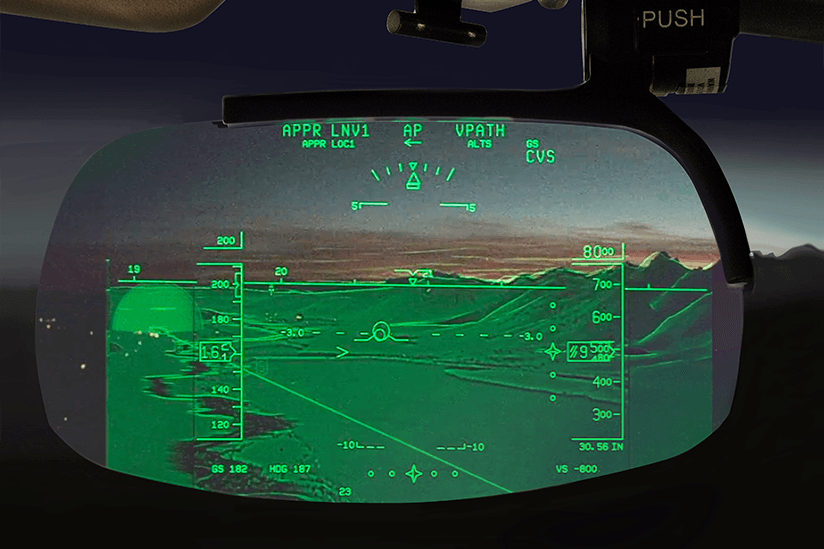
- In the video, they mentioned that there is an ongoing project with the supertaskers researchers and Airbus which looks to develop new visor displays for helicopter rescue pilots, finding the balance between the amount of information onscreen and what they can readily interpret without losing attention and performance.

 Unwind_My_Mind